Last updated: January 2026
This page reflects UK drone regulations as of January 2026. Drone laws can change. Always refer to the official CAA Drone and Model Aircraft Code before flying.
UK drone laws can be confusing, especially for drones under 250g. This guide explains what registration, IDs, and operating rules apply if you fly a sub-250g drone in the UK.
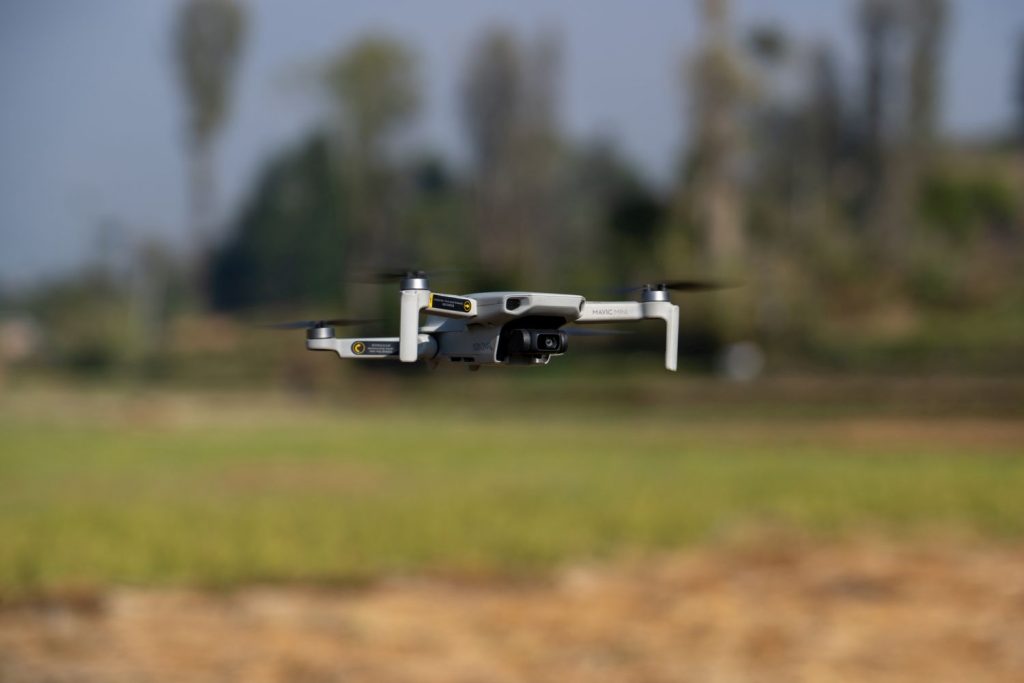
This applies to drones such as the DJI Mini series and similar aircraft.
Drone Flying Rules in the UK (Under 250g)
Rule 1
Get an Operator ID if required and display it on your drone.
Rule 2
Get a Flyer ID if you fly a drone or model aircraft weighing 100g or more.
Rule 3
Do not recklessly or negligently endanger people or property.
Rule 4
Do not fly in restricted or controlled airspace without permission.
Rule 5
Do not fly over crowds of people.
Rule 6
Get landowner permission for take-off and landing.
Flying a drone under 250g gives you more flexibility than heavier drones, but it does not mean there are no rules. You must still comply with the UK Drone and Model Aircraft Code at all times.
The key differences between drones under and over 250g relate mainly to separation distances from people and buildings.
Rule 1: Registration and IDs for Drones Under 250g
Whether you need an ID depends on the weight of the drone and whether it has a camera.
You must have an Operator ID if your drone:
- Weighs 250g or more, or
- Weighs 100g or more and has a camera
Most drones under 250g with a camera still require an Operator ID.
You must have a Flyer ID if:
- You fly a drone or model aircraft weighing 100g or more
You do not need a Flyer ID or Operator ID only if the drone:
- Weighs less than 100g, and
- Does not have a camera
Even if registration is not required, all flying rules still apply.
Rule 2: UK drone class marks (UK0–UK6)
From 1 January 2026, new drone models placed on the UK market must have a UK class mark (UK0 to UK6). These class marks indicate the drone’s weight, technical features, and where it can be flown.
For most people flying drones under 250g:
Sub-250g drones typically fall into UK0
- Many existing drones without a UK class mark can still be flown by following the rules that apply based on weight
- Drones with an EU C-class mark (for example C0 or C1) can be flown in the UK as the equivalent UK class until 31 December 2027
If you are buying a new drone, it’s worth checking whether it has a UK or EU class mark and which category it falls into.
Rule 3: Remote ID
Some drones are required to broadcast Remote ID, which allows the aircraft to be identified while in flight.
From 1 January 2026, Remote ID must be enabled when flying:
UK1, UK2 or UK3 class drones
Most sub-250g drones do not currently require Remote ID, but this depends on the drone’s class and technical capabilities.
If Remote ID is required for your drone, you do not apply for a separate Remote ID number.
Instead:
- You log in to your CAA account
- Under your Operator ID, you generate or view your Remote ID
- You then enter this Operator ID into your drone or controller using the manufacturer’s app
- You must ensure Remote ID is enabled before flying, where required
Rule 4: Keep Everyone Around you Safe
Certain drones, including sub-250g drones and specific UK or C-class drones, may be flown close to and, in some cases, over uninvolved people under UK rules.
However, this permission does not override your legal duty under Article 241 of the Air Navigation Order 2016.
Article 241 – Endangering Safety
Article 241 states that you must not fly a drone or model aircraft in a manner that recklessly or negligently endangers any person or property.
This applies regardless of drone weight, class, or category.
In practice, this means that even if flying over people is legally permitted for your drone:
- You are still responsible for assessing risk before and during the flight
- You must maintain control of the aircraft at all times
- You must take into account factors such as wind, signal reliability, battery state, and emergency landing options
- You may still be in breach of the law if an overflight is judged to be careless or disproportionate in the circumstances
The legality of flying over or close to people does not provide protection if the flight is later deemed unsafe.
Practical interpretation
Being allowed to fly over or close to people is not the same as being immune from enforcement.
If a drone failure, loss of control, or poor decision-making places people or property at risk, enforcement action can still be taken under Article 241, even where all other rules were technically followed.
Rule 5: Flying Near People and Buildings
If your drone is under 250g, you may fly:
- In residential, commercial, and industrial areas
- Closer to people than heavier drones
However:
- You must never fly over crowds
- You must still assess risk and maintain safe separation
A crowd is any group of people who cannot reasonably move away if the drone fails.
Rule 6: Don't Fly Your Drone in Restricted Airspace
Although you’re not expected to know the intricate details of UK airspace, flyers of drones under 250g should know how to stay out of restricted airspace. This is to ensure you don’t cause safety or security concerns.
The main types of restricted airspace are; airports, military bases, nuclear power plants, royal palaces, and prisons. Flying over any of these without permission will put others at risk or cause serious security concerns so is to be avoided at all costs.
The easiest way to avoid flying in restricted airspace is by checking a reputable website, like dronesafetymap and/or downloading an app to check airspace on the go.
These websites and apps show you a map view of your location with airspace restrictions and warnings overlayed.
Look out for red circles and red circles with rectangular extensions on airspace maps. These indicate restricted or controlled airspace. You must not fly a drone in these areas without prior permission, regardless of the weight of the drone. If you need to operate within restricted airspace, permission must be obtained from the relevant controlling authority before the flight takes place.

Irregular red shapes can also denote restricted areas, but note that CTRs only apply to manned aviation, and not drones.

Yellow circles usually indicate glider or microlight sites and although use of your drone here is not restricted, use your common sense, exercise caution and call ahead to the site to check if your flight could cause any danger.

You can check on the name and type of any restricted area by clicking on it within your chosen website or app.
We explain more about how to understand airspace restrictions with live demonstrations in the video below
Rule 7: Don't Overfly Crowds
This is a really important rule, as although you can fly close to people with a drone under 250g you should never fly over crowds.
This rule, as with most rules here is based on safety and the ability for people within that crowd to move out of the way should the drone tumble to the ground.
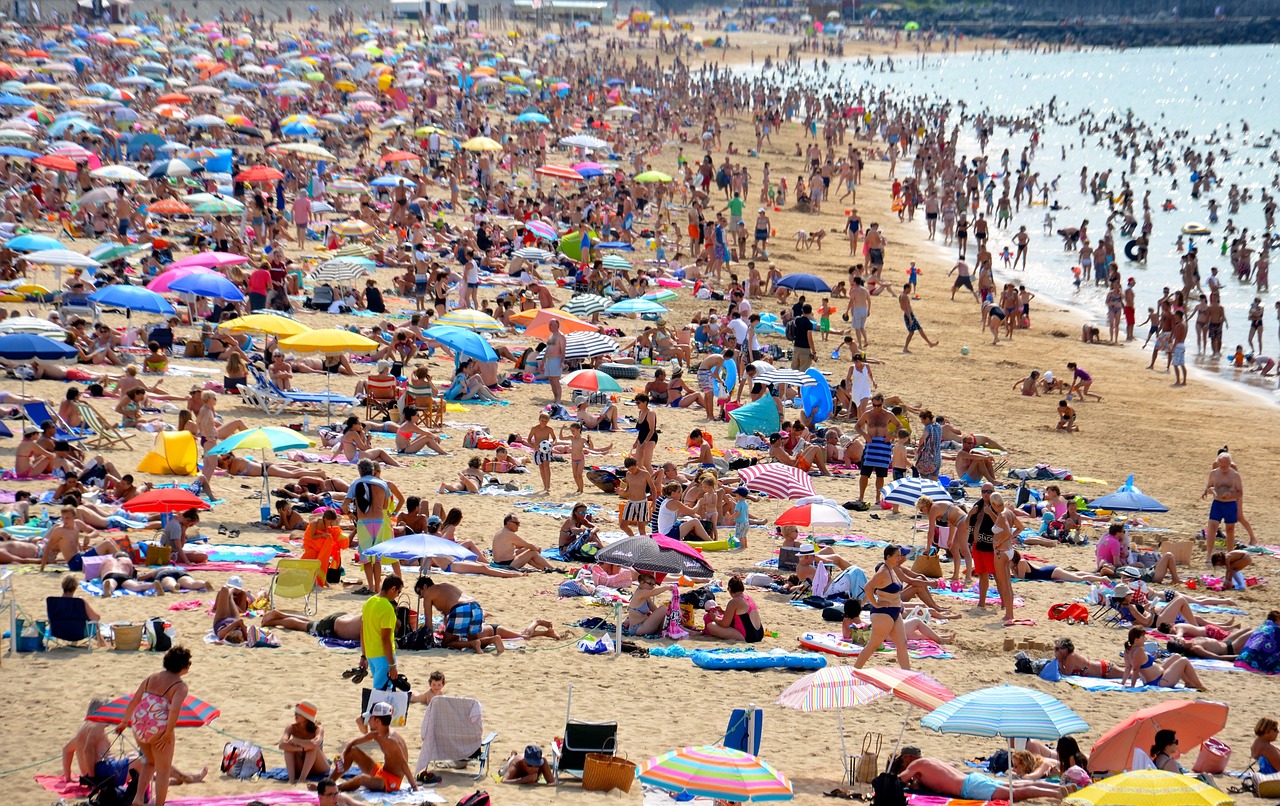
Examples of crowds include:
- shopping areas
- sports events
- religious gatherings
- political gatherings
- music festivals and concerts
- marches and rallies
- at a crowded beach or park
- parties, carnivals and fêtes
Rule 8: Don't fly on, or Over an SSSI
An SSSI is a Site of Special Scientific Interest and the reasons for not flying a drone here are fairly obvious. Flying a drone in one of these areas will likely have a detrimental affect on the flora or fauna that the SSSI is protecting.

There are further restrictions on flying drones around protected wildlife during nesting season for example but these rules and locations are unfortunately fairly hard to find any information on.
The following resources may be useful:
Natural England
Natural Resources Wales
NatureScot
Northern Ireland Environment Agency
Rule 9: Get Landowner Permission for Take-Off and Landing
This rule is fairly nuanced, especially when flying drones under 250g.
The main thing to consider here is whether or not you are taking off from public land. If so then the chances are you are ok to do so, although some councils have byelaws stating that no drones are to take off from their land.
Taking off from private land? The likelihood is that you will need permission from the landowner, otherwise what you are doing could be counted as trespass, and you could be prosecuted as such.
When thinking about this rule, it’s important to differentiate between the take-off location and the flying in the air.
For instance, National Trust have banned all drones from taking-off or landing on their land without prior permission, but they have no jurisdiction over the airspace above their properties.
Bonus Rule 1: Visual Line of Sight and distances
Any drone flying within the UK, whether under 250g or over must remain within Visual Line of Sight of the pilot flying it. In practice, this means that you must be able to see your drone at all times.
You are not permitted to fly a drone more than 400 ft or 120m above the surface. This applies to both hobbyists and commercial drone operators, although some operators hold Operational Safety Cases which allow for increased flying heights and distances. DJI drones allow you to set maximum flight altitude and distance within the app, we advise you to use this feature to ensure that you don’t needlessly break the law.
Bonus Rule 2: Do I need Insurance for Drones Under 250g?
Operators of drones weighing less than 250g do not require insurance for Hobby flights. If you want to operate a drone under 250g for commercial purposes (defined as any use where you will get a financial payment) you are required to hold drone-specific third-party insurance. Popular providers of drone-specific insurance include Cover Drone and Moonrock.
Summary
- Drones under 250g are subject to UK aviation law
- Most sub-250g drones with cameras require an Operator ID
- Flyer IDs are required for drones 100g and above
- You must not fly over crowds
- Airspace restrictions always apply
- Commercial flights require insurance
- Height and visual line of sight limits apply to all drones
Drone Training
If you’re new to drones and finding it hard to digest this information, but you’re a good egg and want to ensure you’re operating within the law and not endangering the public, then we suggest booking yourself onto a drone course with an experienced operator.