Drones are becoming increasingly popular in various industries, offering unique capabilities and cost-saving opportunities. For business owners, maximising return on investment (ROI) is a top priority. In this article, we will explore how drone services can help businesses achieve higher ROI and provide insights into choosing the right provider, calculating ROI, and overcoming challenges.
Drones offer several advantages over traditional methods, such as faster data collection, increased accuracy, reduced labour costs, and improved safety. They also provide access to hard-to-reach areas and generate valuable data for informed decision-making. As a result, businesses across different sectors are adopting drone technology to enhance their operations and gain a competitive edge.
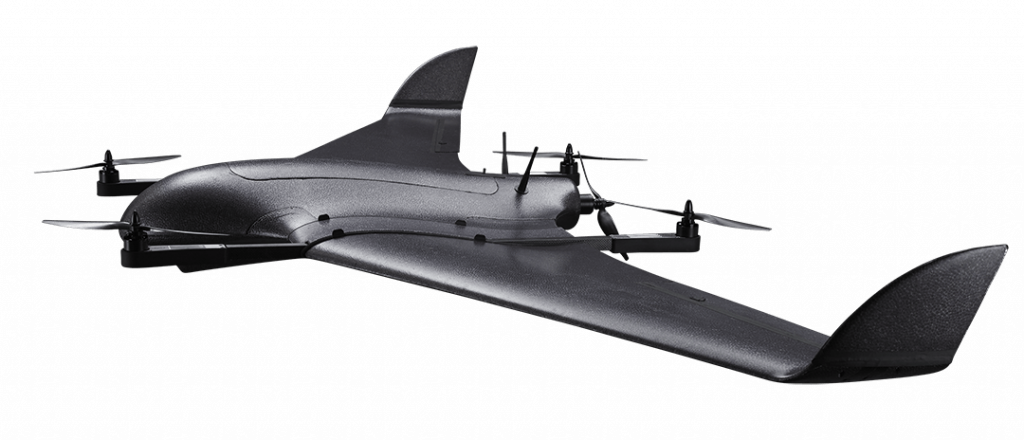
Fixed-wing drones have a long flight time and can cover vast areas, making them ideal for surveying, mapping, and monitoring large sites. They are commonly used in agriculture, land surveying, environmental monitoring, and mining.
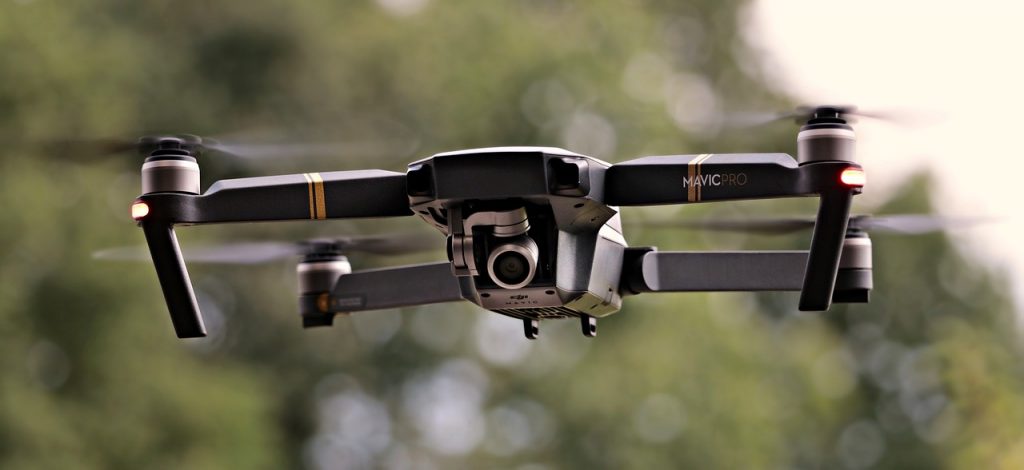
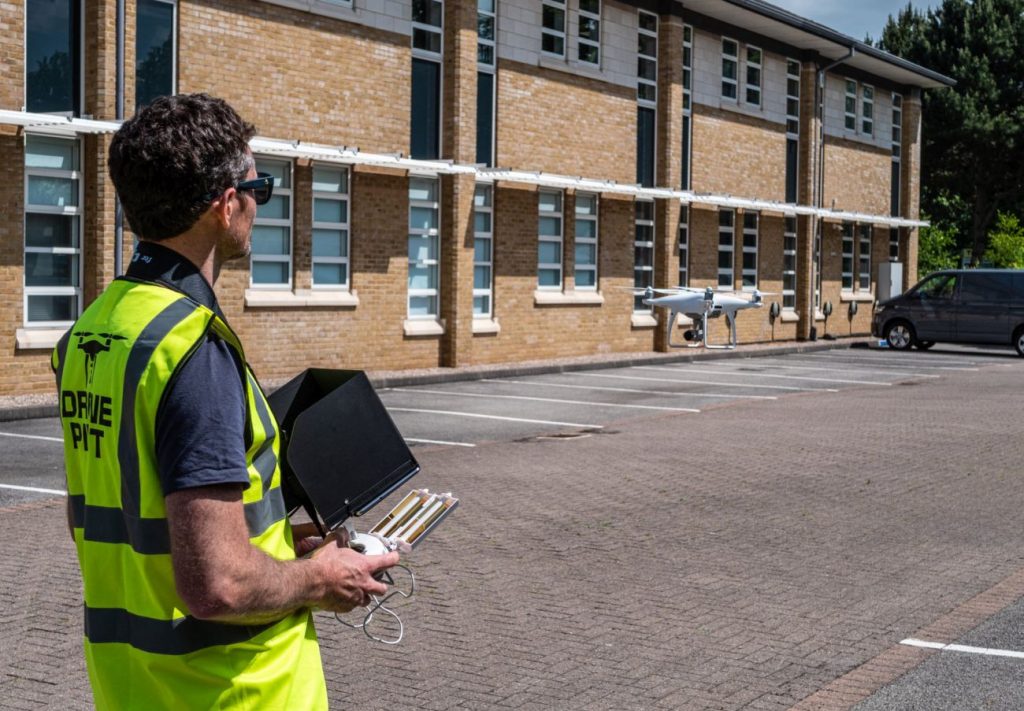
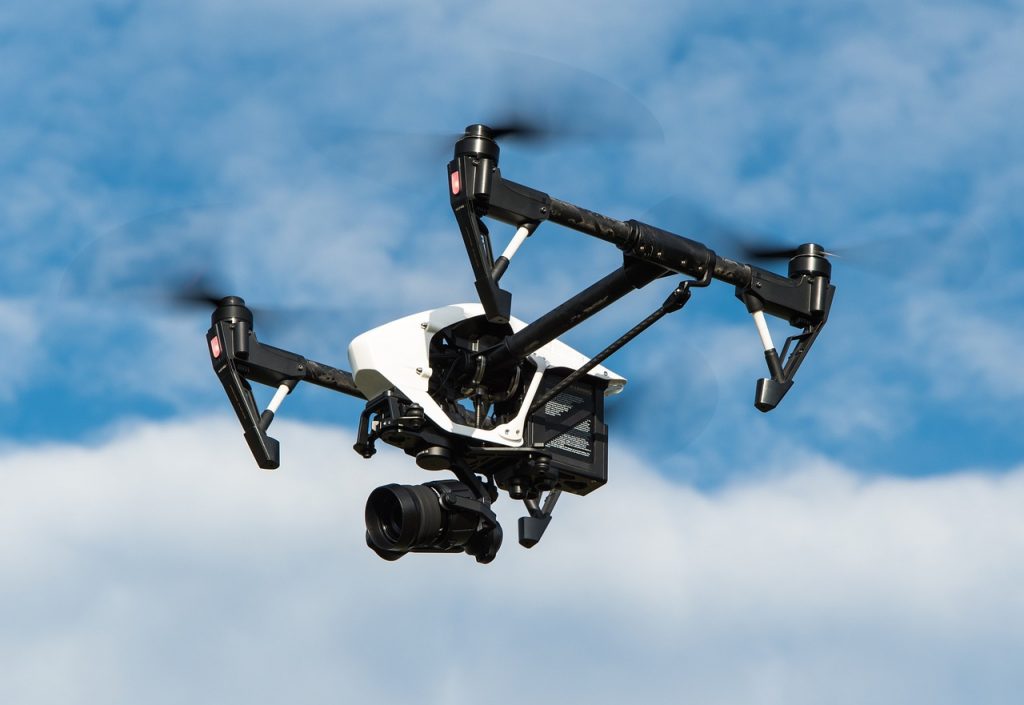
Multirotor drones are more versatile and agile than fixed-wing drones, making them suitable for a wider range of applications. They can hover in place, fly at lower altitudes, and navigate tight spaces. Industries like construction, real estate, media, and inspection services often employ multirotor drones.
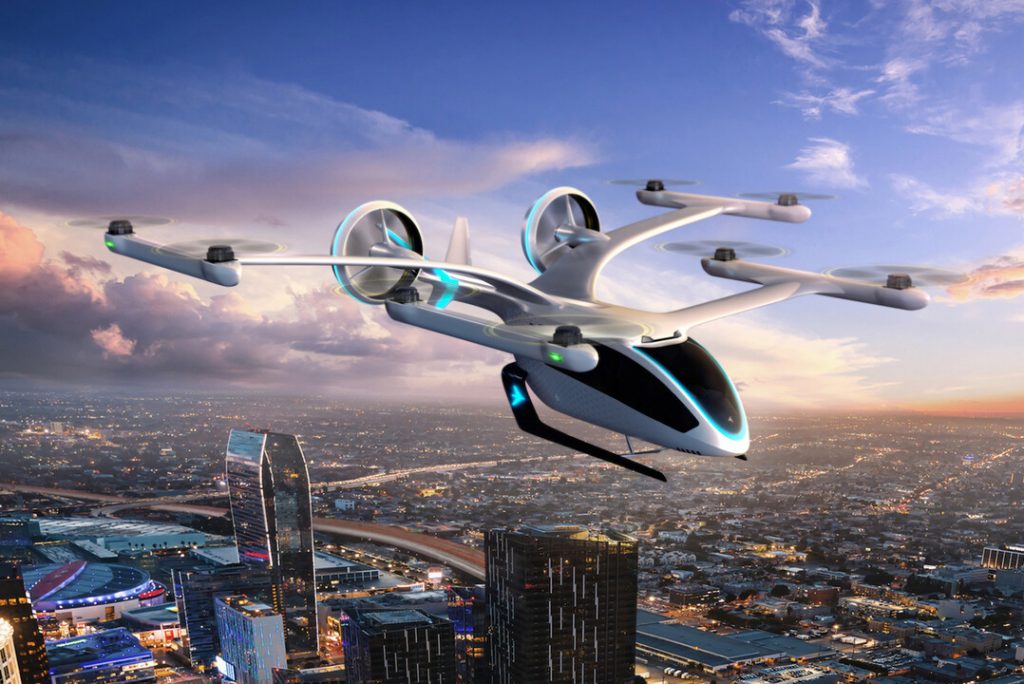
Vertical Take-Off and Landing (VTOL) drones combine the best of fixed-wing and multirotor drones. They can take off and land vertically and efficiently cover large areas. VTOL drones are popular in various sectors, including transportation, logistics, and emergency services.
To maximize ROI with drone services, businesses must identify their specific needs, find the right service provider, and continuously optimise their operations. Factors such as training, data analysis, workflow efficiency, and regulatory compliance play a significant role in achieving desired results.
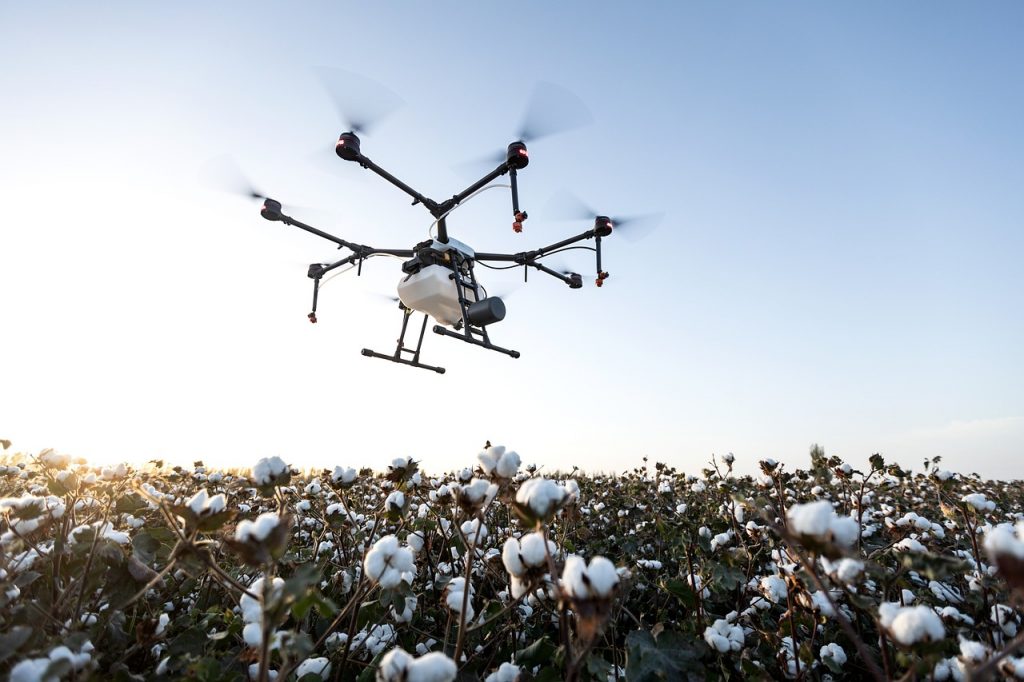
In agriculture, drones can monitor crop health, assess soil conditions, and optimize irrigation systems. They can also help with pest control and fertilization, reducing manual labor and increasing yields.
Drones offer a cost-effective way to monitor construction progress, create 2D orthomosaics and 3D models, and detect issues early. They can also improve safety by inspecting hazardous areas, reducing the risk of accidents.
Real estate professionals use drones to create stunning aerial photography and videography for marketing properties. Additionally, they can generate accurate property measurements and maps, enhancing the overall presentation and helping potential buyers make informed decisions.
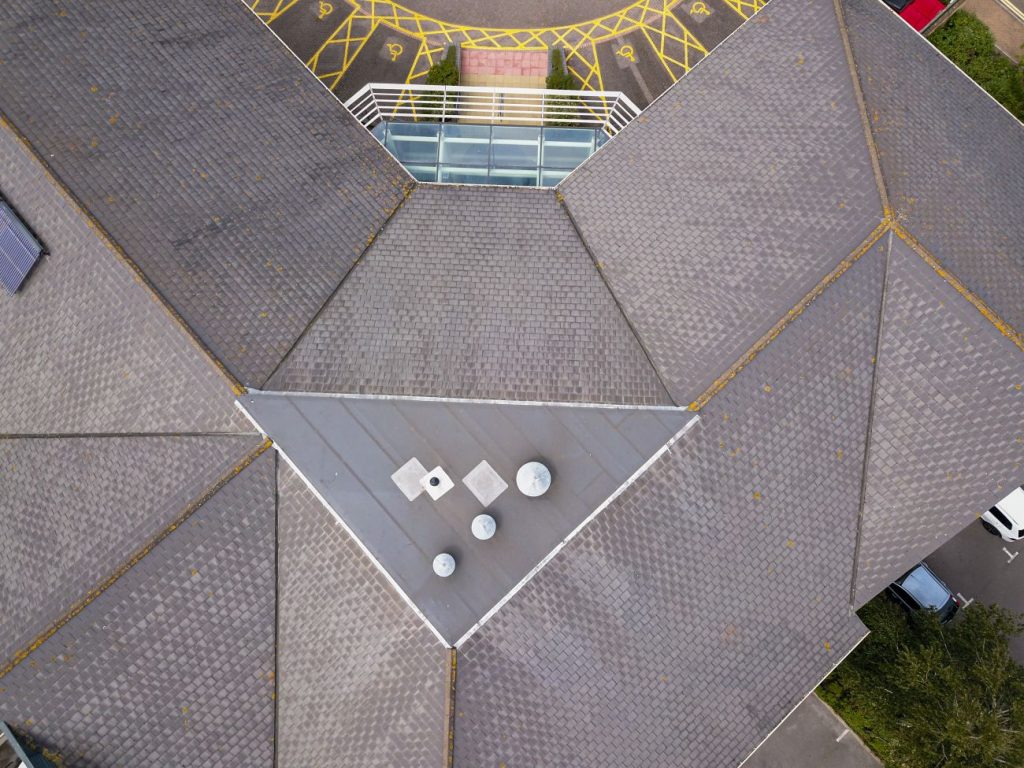
Drones can inspect and monitor critical infrastructure such as bridges, power lines, and pipelines, reducing downtime and maintenance costs. They can access hard-to-reach areas and provide high-resolution images, allowing for more accurate and efficient inspections.
Drone services are revolutionising filmmaking and photography by capturing stunning aerial shots and providing new perspectives. They offer a cost-effective alternative to traditional methods like helicopters and cranes, making high-quality visuals accessible to more creators.
Selecting the right drone service provider is crucial for maximizing ROI. Consider the following factors when making your decision:
To calculate ROI for drone services, follow these steps:
Investing in training and acquiring skilled drone operators is crucial for maximising ROI. A well-trained team can efficiently operate drones, minimize errors, and ensure the best results.
Data collected by drones must be accurately analysed and integrated into existing workflows. Leveraging advanced software and analytics tools can help businesses turn raw data into actionable insights, leading to better decision-making and higher ROI.
Optimising workflows and processes can significantly improve ROI. By streamlining data collection, analysis, and reporting, businesses can save time and resources, allowing them to focus on core activities.
Adhering to local and international regulations is essential to avoid fines, legal issues, and damage to reputation. Staying informed about changing regulations and ensuring compliance will protect your investment and ensure long-term success.
While drone services offer numerous benefits, they also present certain risks and challenges, such as:
As drone technology advances, businesses can expect improved capabilities, lower costs, and new applications. Innovations such as artificial intelligence, automation, and swarm technology will further revolutionise the drone services industry and create new opportunities for maximizing ROI.
Drones offer immense potential for businesses seeking to improve their operations and maximize ROI. By selecting the right service provider, investing in training, and optimising workflows, businesses can harness the power of drone technology to drive growth and success.
The cost of drone services varies depending on factors such as equipment, expertise, and the complexity of the project. However, they often provide significant cost savings compared to traditional methods.
Depending on your location and the type of drone operations, a license or certification may be required. It is essential to research local regulations and ensure compliance.
To ensure safe and compliant drone operations, follow these steps:
Stay updated on local and international regulations.
Hire trained and certified drone operators.
Develop and implement safety procedures and guidelines.
Obtain necessary permits and permissions.
Regularly maintain and inspect your drones and equipment.
The best type of drone for your business depends on your specific needs and goals. Fixed-wing drones are ideal for large-scale operations, multirotor drones offer versatility and agility, and VTOL drones combine the advantages of both. Consult with a drone service provider to determine the best option for your business.
To stay updated on the latest drone technology and industry trends, consider the following:
| Cookie | Duration | Description |
|---|---|---|
| cookielawinfo-checkbox-analytics | 11 months | This cookie is set by GDPR Cookie Consent plugin. The cookie is used to store the user consent for the cookies in the category "Analytics". |
| cookielawinfo-checkbox-functional | 11 months | The cookie is set by GDPR cookie consent to record the user consent for the cookies in the category "Functional". |
| cookielawinfo-checkbox-necessary | 11 months | This cookie is set by GDPR Cookie Consent plugin. The cookies is used to store the user consent for the cookies in the category "Necessary". |
| cookielawinfo-checkbox-others | 11 months | This cookie is set by GDPR Cookie Consent plugin. The cookie is used to store the user consent for the cookies in the category "Other. |
| cookielawinfo-checkbox-performance | 11 months | This cookie is set by GDPR Cookie Consent plugin. The cookie is used to store the user consent for the cookies in the category "Performance". |
| viewed_cookie_policy | 11 months | The cookie is set by the GDPR Cookie Consent plugin and is used to store whether or not user has consented to the use of cookies. It does not store any personal data. |