Can You Fly a Drone Over Private Property in the UK?

Rules on flying drones over private property UK

Drones have become increasingly popular over in recent years, and it’s not hard to see why. They offer a unique perspective that is hard to achieve through any other means, not to mention the efficiencies and practicalities they bring to areas like building surveying, construction, emergency services, and agriculture. However, as drones have become more accessible, so too have the concerns around their use amongst the public. One of the most common questions is can you fly a drone over private property in the UK? In this article, we will explore the legalities surrounding drone flights over private property and provide some guidance on how to ensure that your drone flights stay within the law.

Understanding Drone Laws in the UK

Before we dive into the specifics of flying a drone over private property in the UK, it’s essential to understand the drone laws in the UK.

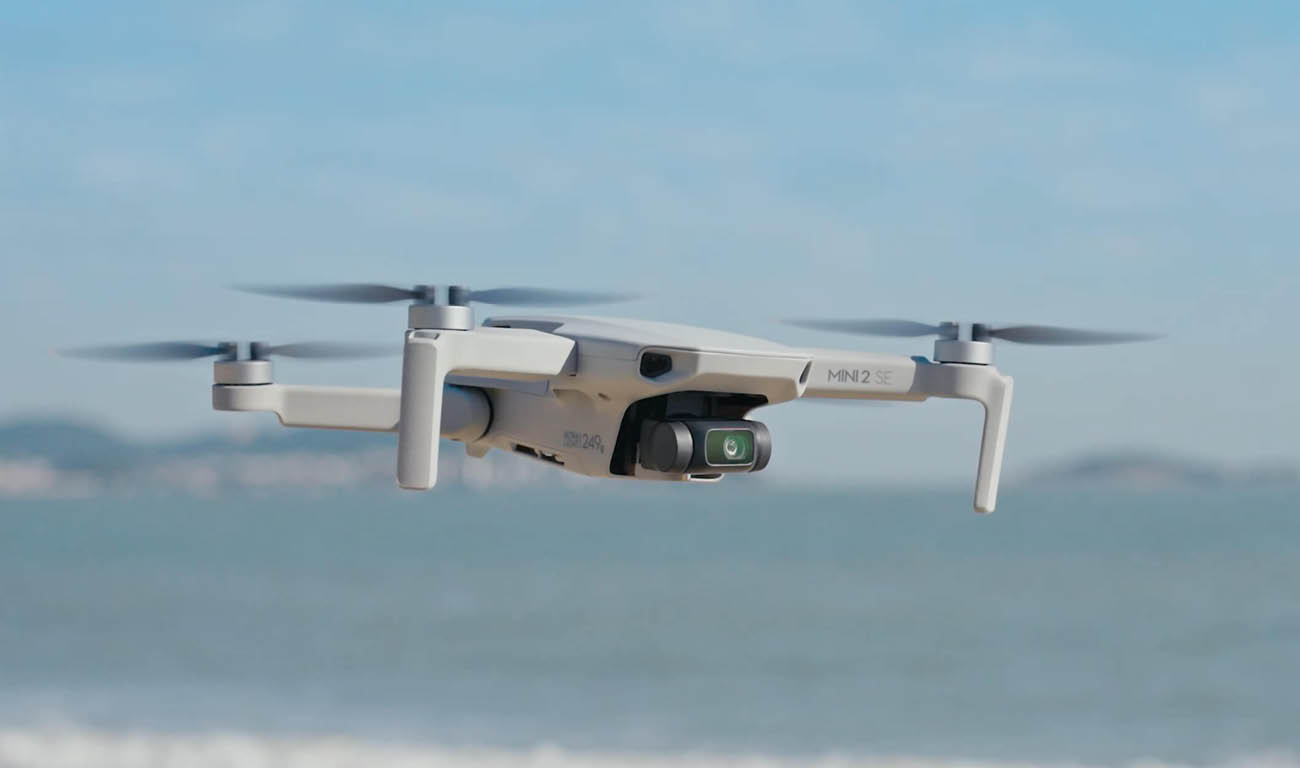
If your drone has a camera (excluding toys) or weighs at least 250g, registration with the CAA is mandatory. The registration needs to be renewed every year and is for the operator, not the drone itself. This is called an Operator ID. Your Operator ID number needs to be clearly displayed on each drone you fly.
DJI Mini 2 SE drone for kids

Those who operate drones weighing over 250g must also obtain a flyer ID from the CAA by passing an online test, which is free and easily accessible online. Even if a flyer ID is not legally required, we strongly suggest getting one as it provides valuable information on safe drone operation. If you already have a valid flyer ID, you do not need to retake the test until it expires, but it is essential to stay updated on new regulations. For registration, flyer ID acquisition, and further information, visit register-drones.caa.co.uk.

For drones or model aircraft weighing less than 250g, you may fly close to individuals and even fly over them, but not over crowds. For more information on drone rules under 250g visit our dedicated blog post.

Remember that safety should always come first, and flying too close to people can be dangerous. Even small drones and model aircraft can cause injury if flown improperly.

Can You Fly a Drone Over Private Property in the UK?

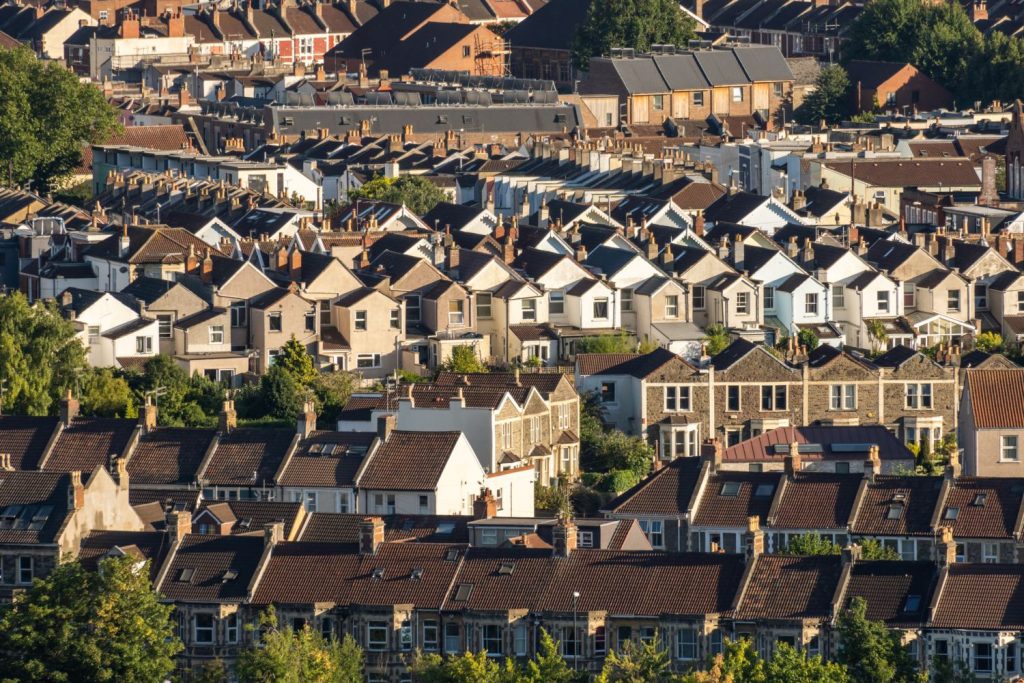
The short answer is yes, you can fly a drone over private property in the UK, as long as you follow certain guidelines. However, this does not mean that you are free to fly your drone wherever you want.

The first thing to keep in mind is that landowners do not own the air above their land but they are assumed a right to freely enjoy their property. So although a landowner can not restrict you from using the airspace above their land, you still need somewhere to take off and land your drone. And for this you must have permission from the landowner, specifically for the spot that you are taking off and landing. If you do not have permission to use the space for this purpose then you could well be trespassing. 
Can you fly a drone over private property in the UK?

Even with permission to take off and land, you must still follow a range of guidelines when flying your drone. For example, you must ensure that you do not endanger people, property, or other aircraft. You must also ensure that you do not cause a nuisance to people on the ground. An example of this would be flying in close proximity (below the roofline of the house) to someone’s garden that isn’t your own.

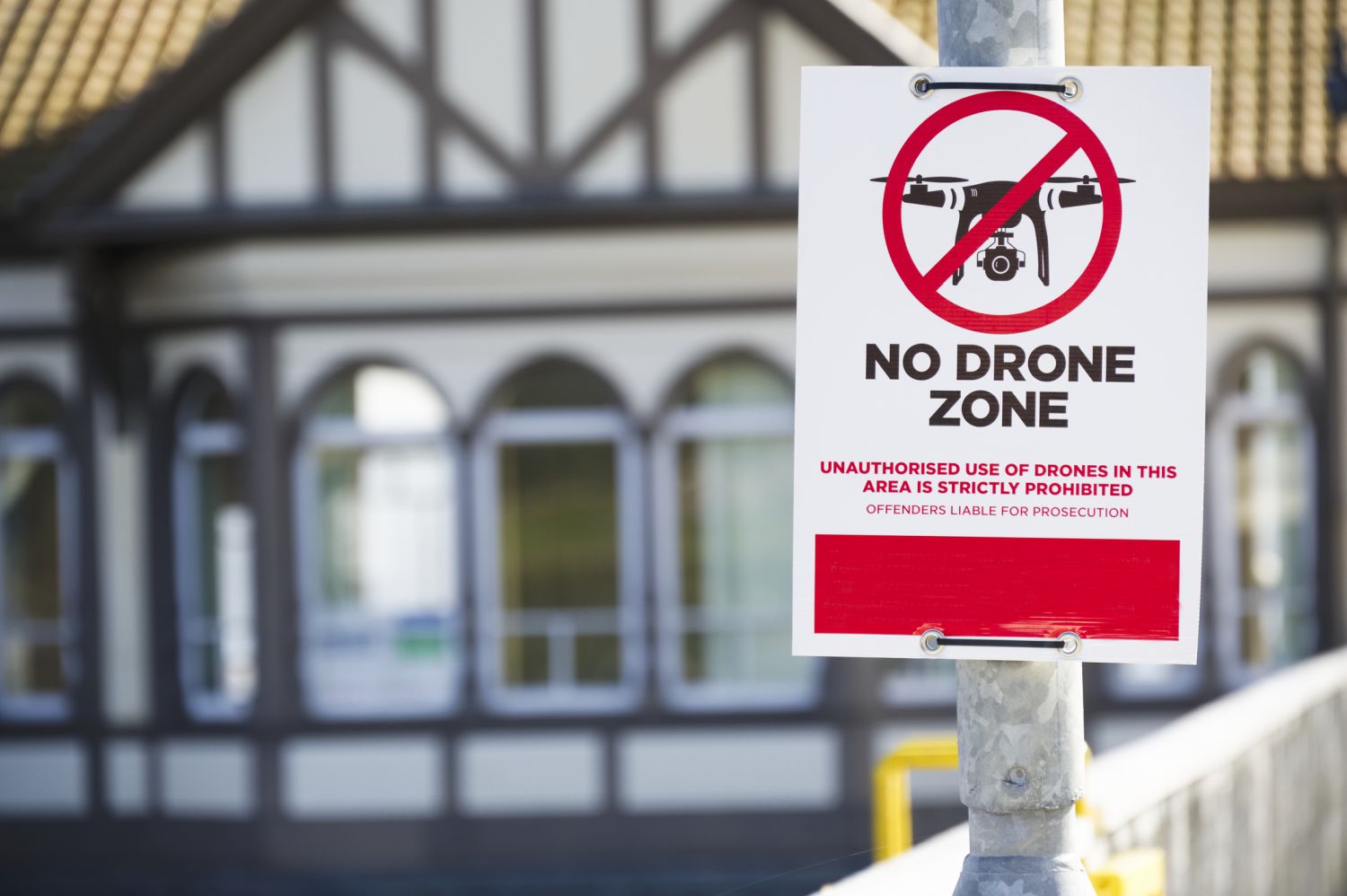
It’s also important to note that there are certain areas where you cannot fly your drone at all without the express permission of the relevant parties. These include airports, military bases, and certain other restricted areas, for obvious security and safety reasons. It’s essential to research the area where you plan to fly your drone to ensure that you are not breaking any laws or regulations. A great resource for this is Drone Safety Map, where you can see restrictions in the airspace you plan to fly in.

If you are flying your drone in unrestricted airspace, have land owners permission for take off and landing, are not endangering others, and not causing any privacy concerns then you are free to fly your drone over private property.

Having said this, if you are seen as someone who does not respect other people’s privacy or property, it could have a negative impact on your personal and professional reputation.
Tips for Flying Your Drone Over Private Property

If you are planning to fly your drone over private property, there are several things that you can do to ensure that you stay within the law and avoid any potential issues. Here are some tips to keep in mind:

  • Always get permission from the landowner for the spot you wish to take off and land your drone.
  • Make sure that you do not fly your drone in a way that endangers people or property.
  • Don’t fly your drone in areas where there are restrictions, such as airports or military bases unless you have permission.
  • Respect other people’s privacy and do not cause a nuisance to those on the ground.


Using drones in agriculture

Drones for Good

We appreciate that drones aren’t the friendliest looking things and that they often evoke negative connotations in people’s minds. At Aircam Drone Services however, we firmly believe in Drones for Good.

With the vast majority of drone flights carried out in our skies for incredibly useful and innovative purposes we feel it necessary to help educate and reinforce the typical uses of drones. You only have to look at the services advertised on drone operators websites to understand that drones are simply tools to get a job done.

Below we have listed the typical uses of drones;


Typical Uses for Drones
Use Brief Explanation Type of Flying
Aerial Photography Capturing high-resolution images from an aerial perspective. Stable hovering, smooth panning, and altitude adjustments.
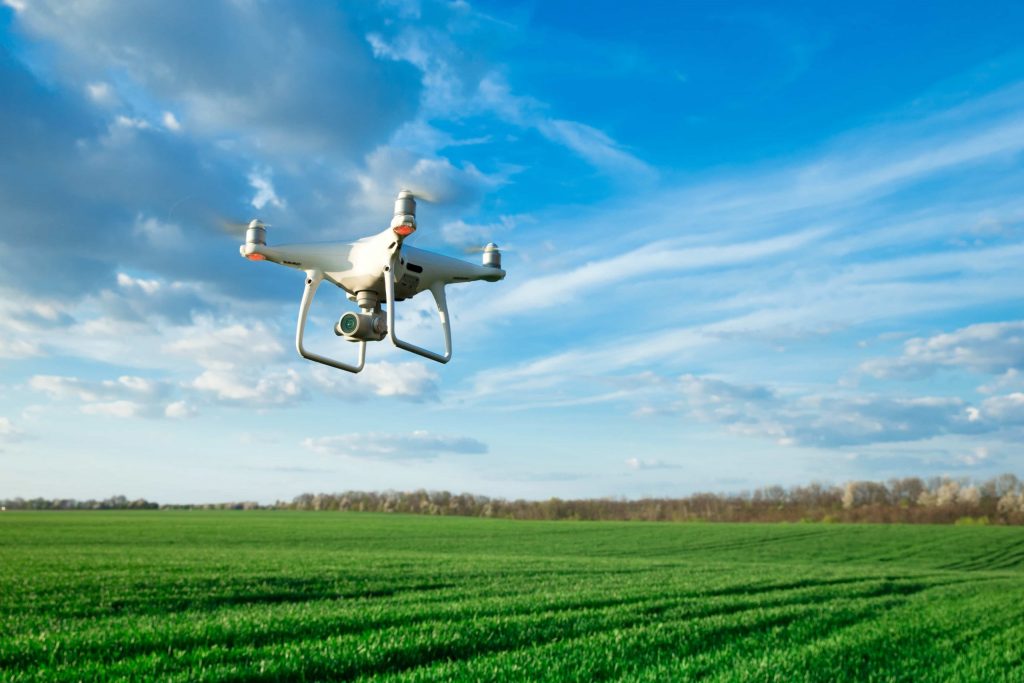
Agriculture Monitoring crops, analyzing soil health, and precision agriculture. Waypoint navigation, low-altitude flying, and patterned flight paths.
Surveying & Mapping Creating detailed maps, land measurements, and 3D models. Automated grid patterns, stable hovering, and precise altitude control.
Search & Rescue Locating lost persons or objects over large areas. Wide-area sweeps, low-altitude reconnaissance, and thermal imaging flights.
Delivery Transporting goods and packages from one location to another. Point-to-point navigation, precision landing, and obstacle avoidance.
Wildlife Monitoring Observing and tracking animals in their natural habitats. Stealthy, low-noise flights and high-altitude observations.
Disaster Assessment Evaluating the extent of damage post-disasters like floods, earthquakes, and fires. Wide-area sweeps, low-altitude reconnaissance, and thermal imaging.
Firefighting Support Providing real-time data to firefighters, especially during forest fires. High-risk environments, thermal imaging, and smoke-penetrating visuals.
Medical Supply Delivery Delivering medical supplies to remote or inaccessible areas. Long-distance flights, precision landing in varied terrains, and payload drop-offs.
Environmental Monitoring Monitoring environmental parameters, changes, or illegal activities like deforestation. Patterned sweeps, multi-spectral imaging, and long-duration flights.
Ocean & Glacier Studies Studying ocean currents, marine life, or glacier movements. Long-range flights, stable hovering over water, and cold-resistant operations.
Archaeological Site Discovery Identifying and documenting ancient sites from aerial views. High-resolution imaging, grid patterns, and altitude adjustments.
Air Quality Monitoring Assessing and reporting air pollution levels in urban and industrial regions. Vertical altitude adjustments, stable hovering, and sampling in-flight.
Seismic Studies Supporting researchers in understanding earthquakes and tectonic movements. Remote sensing and geospatial data collection in potentially unstable areas.

Conclusion

In conclusion, it is legal to fly a drone over private property in the UK, as long as you follow certain guidelines. These include obtaining permission from the landowner for take off and landing and ensuring that you do not endanger people or property. It is essential to understand the laws and regulations surrounding drone flights and to fly your drone responsibly.