
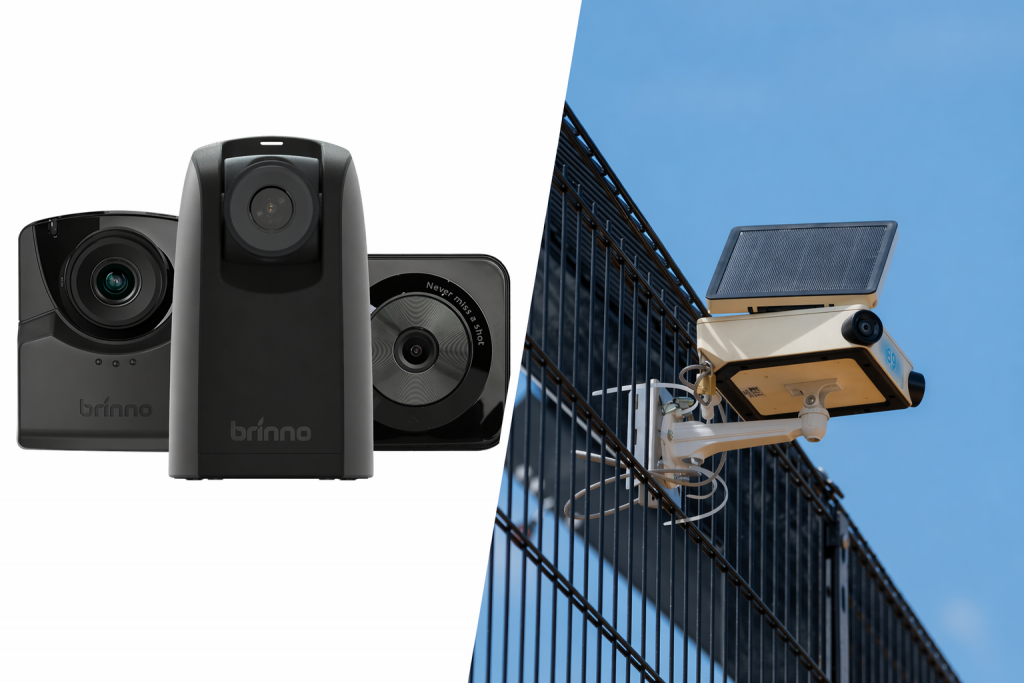
If you’re looking into construction timelapse for the first time, the maths seems obvious. You can pick up a Brinno camera for under £300. A managed rental service starts at £299 per month. Buying looks like a no-brainer.
But that comparison falls apart the moment you think about what you actually need a construction timelapse system to do – and what happens when it doesn’t.
This article breaks down the real difference between buying a timelapse camera and renting a fully managed system, so you can make the right call for your project.
What you get with a cheap construction timelapse camera
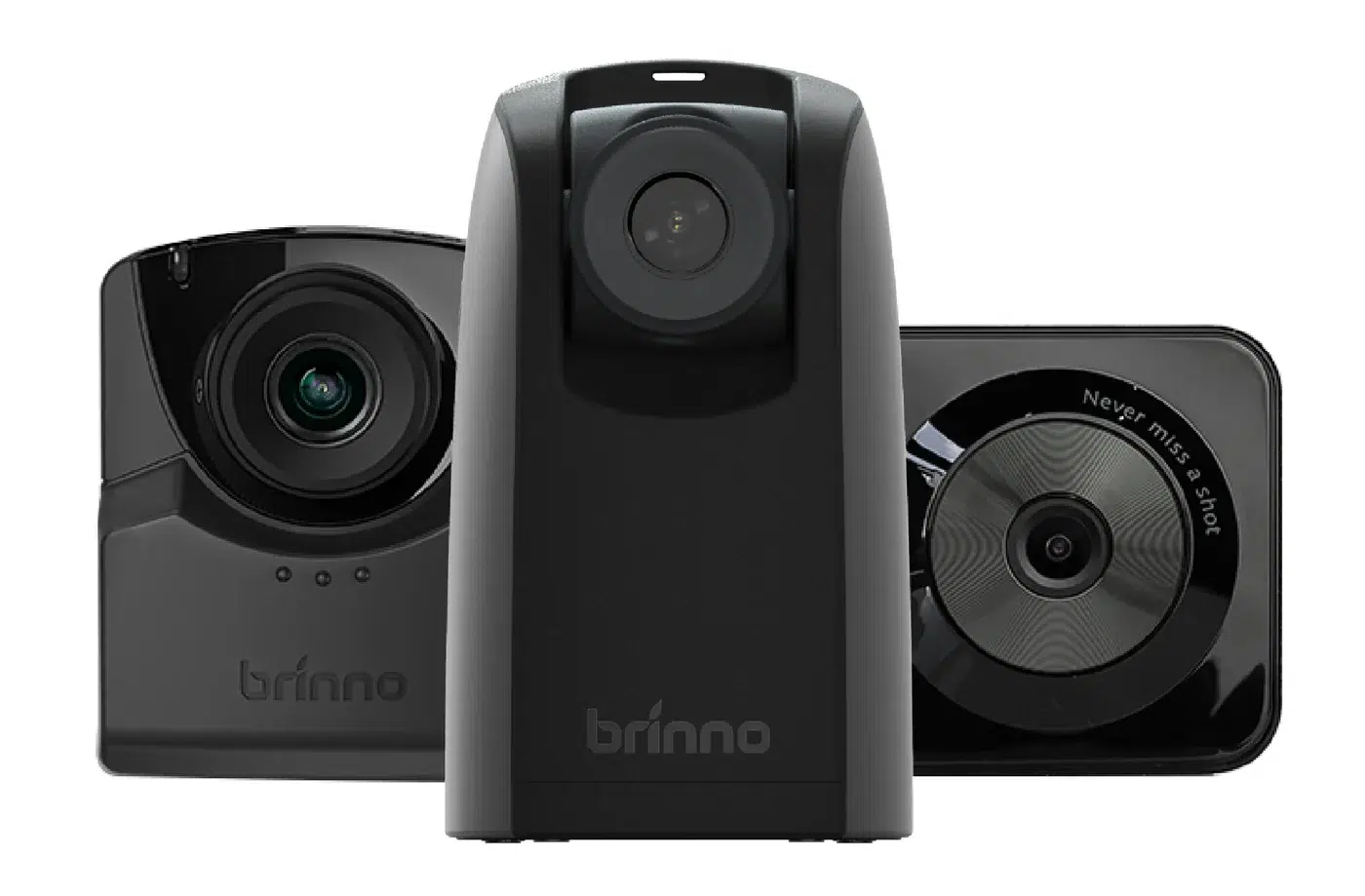
Entry-level construction timelapse cameras like the Brinno BCC300 are well-built for what they are. They’re weatherproof, simple to set up, and will take photos at set intervals for months at a time on AA batteries. For a homeowner documenting a loft conversion, they’re fine.
For a live commercial construction site, the limitations start stacking up fast.
There’s no live portal. Images are stored locally on an SD card. There is no way to log in from the office, pick a date, scroll to a time and pull up a specific image. You have to physically go to the site, pull the card, bring it back, and work through the files manually. On a 12-month project, this happens over and over.
You have no idea if it’s recording. Unless someone physically checks the camera, you won’t know if it’s missed a day, been knocked out of position, run out of battery, or filled its storage. You find out weeks later when you pull the card and discover the gap in your record.
The batteries need changing. The BCC300 runs on AA batteries – up to 100 days per set in ideal conditions, less in UK winter. Someone from your team has to manage this. On a busy site, it’s the kind of task that slips.
The footage is raw and unedited. At the end of the project, you have a folder of sequential images. To get a finished, watchable timelapse video out of them – one you’d actually put in a client presentation or post online – you need the software, the skills, and the time.
There’s no multi-camera management. If you need more than one camera to cover a large or complex site, you’re managing multiple SD cards, multiple battery schedules, and multiple folders of footage with no central view.
None of these are deal-breakers for a casual hobbyist. For a project manager responsible for a multi-month commercial build, they represent real risk and real time.
What a fully managed construction timelapse rental includes
A professional construction timelapse rental service isn’t just a better camera. It’s the entire system around the camera – the infrastructure, the monitoring, and the finished output – handled entirely by the provider.
Here’s what a good managed service covers, and why each part matters.
A live portal with near real-time site visibility
With cameras capturing an image every ten minutes, a managed system gives you something close to a live window onto your site. From anywhere, on any device, you can log in, select any date and time, and pull up the exact image you want. Switching between cameras takes a second. You can share access with clients, investors, or anyone who needs visibility – without arranging a site visit.

For large organisations with project teams and stakeholders spread across multiple offices, this alone can eliminate a significant number of site visits over the course of a build. At typical travel and day rates, that adds up quickly.
A time-stamped record for dispute resolution
A continuous, time and date-stamped image record of your site has real legal and commercial value. If a dispute arises – over the sequence of works, the condition of a neighbouring property, access arrangements, or the cause of a delay – you have an impartial, verifiable visual record to refer to. This is something a consumer camera stored on a local SD card simply cannot provide.
Solar-powered cameras that run indefinitely
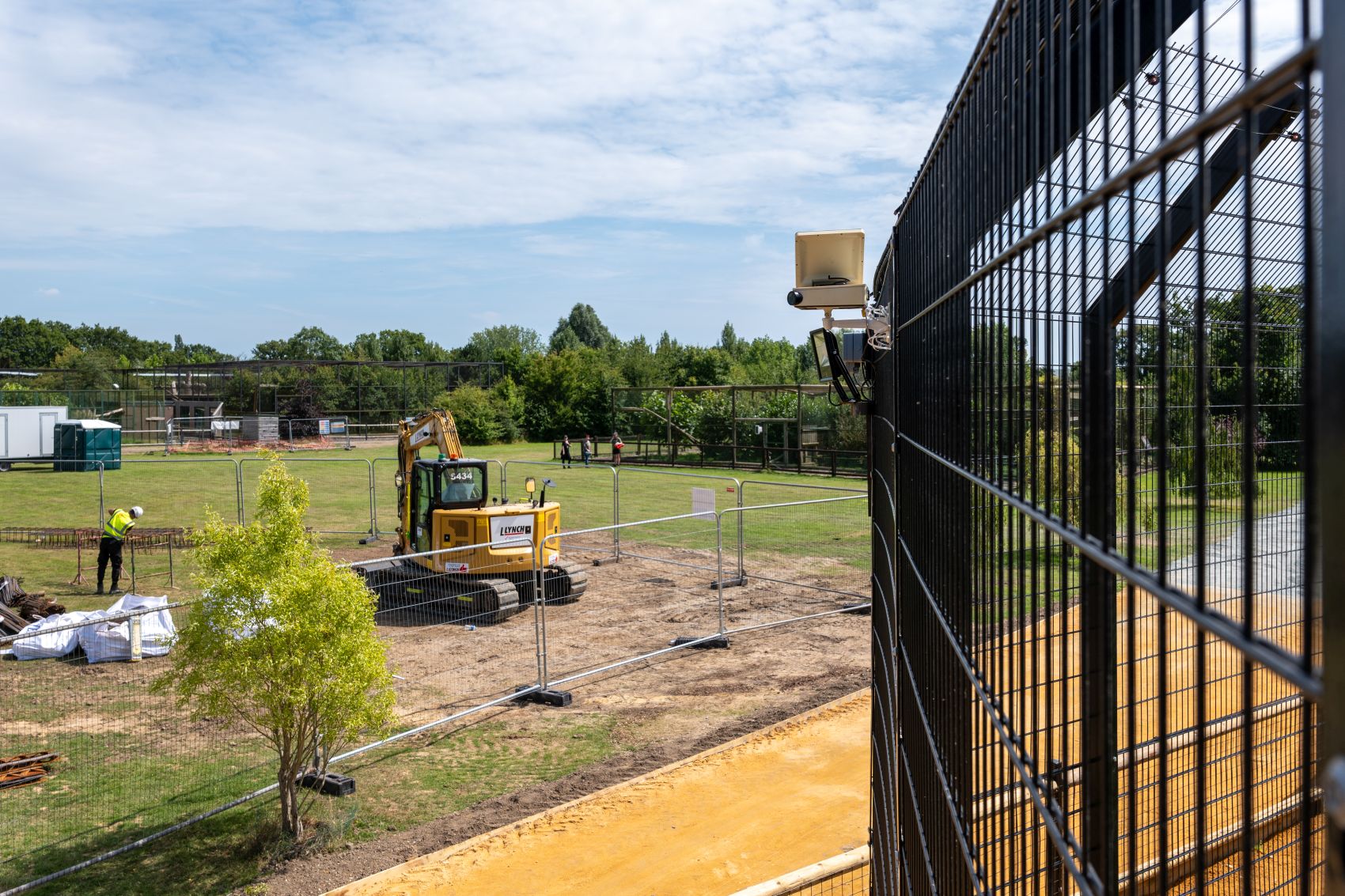
Commercial-grade managed systems use solar-powered units built specifically for long-term outdoor deployment. They run continuously – day and night, through UK winters – without any maintenance from your team. No battery changes. No checking charge levels. No gaps in the record because someone forgot.
Active remote monitoring
Battery percentage, storage levels, camera movement alerts – a managed service provider monitors all of this remotely. If something changes, they know about it before you do. You’re not discovering a problem after the fact when you go to pull the footage for a stakeholder meeting.
Professional camera positioning
Getting good timelapse coverage on a live construction site isn’t a case of finding a wall and screwing in a bracket. It requires understanding the construction programme – what the key phases are and when they happen – accounting for sun position throughout the day and across the seasons, working around obstructions that change as the build progresses, and finding mounting solutions that are safe and stable on an active site. A good provider surveys site plans and construction drawings before a single camera goes in, and adjusts coverage as the project evolves.
Monthly progress videos, delivered
Every month, a professionally edited timelapse video is delivered – not raw files, a finished video, branded if required. This is what you put in front of stakeholders at your monthly update meeting, not a folder of images that someone on your team has to sort through.
A final end-of-project film
When the project completes, all footage from all cameras is cut into a polished end-of-project film with licensed music. This is a proper marketing asset – the kind of thing that goes on your website, into award submissions, or gets shown at client handover.
The true cost of a DIY construction timelapse setup
A £250 Brinno doesn’t come close to matching what a managed service delivers. But let’s be fair – a consumer camera was never designed to. The honest comparison is what it would cost to build an equivalent system yourself.
To match the capability of a managed rental system, you’d need:
- A commercial-grade solar-powered timelapse camera with 4G connectivity: £1,200+, per camera. This is the entry point for units built for long-term unattended outdoor deployment, not consumer or prosumer hardware.
- Cloud storage and portal access: £50–£150/month per camera, depending on provider and storage volume.
- A SIM card and 4G data plan for continuous image upload: £15–£30/month per camera.
- Staff time to monitor camera status, manage storage, download images, troubleshoot connectivity issues, and respond when something goes wrong: ongoing, and easy to underestimate.
- Video editing software and the skills to use it to produce professional monthly progress videos and a finished end-of-project film: ongoing.
- Construction site knowledge for camera positioning, sun path analysis, and site-safe mounting solutions: either you have this or you hire someone who does.
This is per camera. Most commercial sites need at least two or three for proper coverage.
By the time you’ve accounted for hardware, connectivity, storage, monitoring time, and editing – the cost of a DIY setup at genuine commercial quality sits well above a managed monthly rental, before you’ve started the project. And none of the staff time, risk, or liability has gone anywhere.
For a full breakdown of what construction timelapse camera rental costs in the UK, including indicative pricing, installation costs, and multi-camera discounts, read our pricing guide here.
When buying a construction timelapse camera makes sense
Buying your own timelapse camera is the right call in some situations:
- You’re a videographer or production company building timelapse into your service offering and have the technical infrastructure to support it
- You’re documenting a short, one-off project where raw footage is sufficient
- You have an in-house team with the skills to manage footage, monitor equipment, and run the editing workflow end-to-end
- The quality of the final output is not a priority
If any of those apply, a good consumer or prosumer camera will serve you well.
When construction timelapse camera rental makes sense
A managed timelapse rental service makes sense when:
- You’re running a commercial construction project that needs a reliable, professional visual record
- Remote stakeholders, clients, or investors need visibility of site progress without regular site visits
- You need a time-stamped record that could be used for dispute resolution or contract documentation
- You want professionally produced monthly and end-of-project videos without any effort from your team
- Your site has no mains power access during early phases
- You’re covering a large or complex site that needs more than one camera
This covers the vast majority of commercial contractors, developers, and project managers looking at timelapse for the first time.
Is construction timelapse camera rental worth it?
The question isn’t “can I buy a camera for less than the monthly rental cost?”
The right question is: what does it cost your project if the camera stops recording for three weeks and nobody notices until it’s too late?
A managed service means the provider holds that liability. The cameras run. The footage exists. The portal is live. The monthly video arrives. Nothing falls on your team.
That’s what you’re actually paying for.
Looking for a fully managed construction timelapse service in the UK? Aircam provides solar-powered 6K timelapse camera rental from £299/month, including professional installation, a live branded portal updated every ten minutes, monthly edited progress videos, and a final end-of-project film.